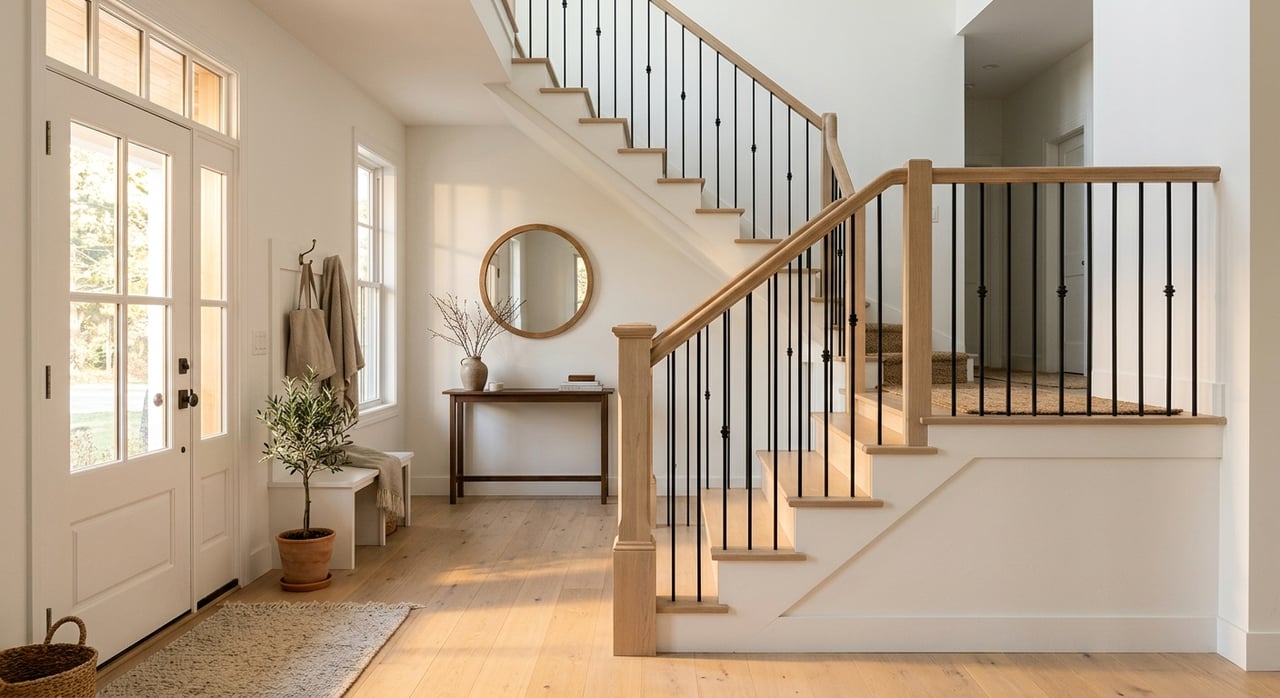
If your condo is starting to feel tight, you are not imagining it. More owners move because their home feels too small than you might think, especially in the 26 to 44 age range, according to the National Association of Realtors 2025 Generational Trends report. If you are thinking about trading shared walls and limited storage for more space in Fanwood, this guide will help you understand what the local housing stock looks like, what to expect from the move-up process, and how to plan your timing with confidence. Let’s dive in.
Why Fanwood Fits Upsizers
Fanwood is a small borough, but its housing profile stands out. The borough had 7,774 residents in the 2020 Census, with an estimated 7,968 residents in 2024, and it remains heavily owner-occupied with an 84.9% owner-occupied housing rate. That kind of ownership base often appeals to buyers who want to put down longer-term roots.
The local housing mix also supports move-up buyers. In Fanwood’s 2023 ACS housing profile, 84.8% of housing units were detached single-family homes, which is far higher than Union County overall. If you are moving from a condo or attached home, that means Fanwood offers a much more single-family-focused market than many nearby areas.
Fanwood also balances extra space with practical convenience. The borough highlights its downtown main street, free visitor parking, and NJ Transit Raritan Valley Line access at Fanwood Station, which matters if you want more room without giving up commuter access.
What More Space Often Looks Like
When you upsize, you are usually not just buying more square footage. You are buying more flexibility in how you live day to day. That can mean an extra bedroom, a dedicated office, better storage, private outdoor space, easier parking, or simply more separation between rooms.
Fanwood’s existing housing stock lines up well with those goals. The borough housing profile shows that 46.6% of units have 8 or more rooms and 41.2% have 4 or more bedrooms. For condo owners who are working from home, planning for guests, or wanting more breathing room, that is a meaningful jump in livability.
This is also one reason upsizing tends to happen at life transition points. NAR reports that “home is too small” was a top reason for selling among younger and middle-age owners, and changes in family situation also played a role. In practice, that often shows up as a need for space that adapts with you over time.
Fanwood Inventory: Be Ready to Act
One of the biggest realities to understand is supply. Fanwood is a developed community with no vacant land, and the borough’s housing plan notes that future growth is expected to be limited mainly to the Commercial Corridor rather than through new detached-home subdivisions. In other words, most of your single-family options are likely to be resale homes, not brand-new construction.
That matters because inventory can stay tight. In March 2026, Realtor.com reported 19 active listings and a $749,000 median listing price in Fanwood, while Zillow reported 13 homes for sale and a typical home value of $791,728. Realtor.com also showed a 24-day median on-market time and a 100% sale-to-list ratio in February 2026, which points to a market where well-positioned homes can move quickly.
For you, the takeaway is simple: be flexible, be prepared, and know your priorities before the right listing hits the market. In a town with limited for-sale inventory, waiting to sort out the details after you fall in love with a house can make the process much harder.
Older Homes Are the Norm
If you are coming from a newer condo building, this is an important shift to expect. Fanwood’s housing stock is not only spacious, it is also mature. The borough profile shows that 83.5% of homes were built before 1980.
That does not mean homes are outdated. It means many opportunities in Fanwood will be resale properties with established layouts, mature lots, and the kind of room count upsizers often want. It also means you should be ready to evaluate condition, updates, maintenance needs, and how much work you are comfortable taking on after closing.
For many buyers, this trade-off is worth it. You may gain a yard, more interior space, more privacy, and a traditional neighborhood setting, even if your next home needs a few updates over time.
Sell First or Buy First?
This is usually the biggest question in an upsize move. The answer depends on your finances, risk tolerance, and how much flexibility you have with timing.
Selling first can reduce financial stress because you know exactly how much equity you have available for your next purchase. That matters because the NAR 2025 Profile of Home Buyers and Sellers found that 54% of repeat buyers used proceeds from the sale of a previous home to help finance their next purchase. If your condo sale is a key part of your move-up budget, selling first can create a clearer plan.
Buying first can help if you want to avoid a gap between homes, but it may increase pressure if your condo has not sold yet. In a market like Fanwood, where single-family inventory is limited, some buyers choose this route because they do not want to miss a strong opportunity. The trade-off is that you need a very clear financing and contingency strategy before making an offer.
A practical approach is to map out both paths in advance. That way, if the right house appears sooner than expected, you are not making a rushed decision under pressure.
How to Coordinate Both Sides
Moving from a condo to a single-family home is really two transactions that need to work together. The cleaner your sequencing, the less stressful the move tends to be.
Here are the main pieces to think through:
Know your condo value
Your current home is the starting point for the entire move. A realistic pricing strategy helps you estimate sale proceeds, plan your down payment, and understand your comfort range before you start shopping seriously.
Prep your condo early
Even if you are not listing tomorrow, getting ahead on repairs, decluttering, and paperwork gives you more control. When inventory is tight on the buy side, being able to launch your condo quickly can become a major advantage.
Define your must-haves
In Fanwood, detached homes are common, but available listings may still be limited at any given moment. Decide what matters most, such as bedroom count, office space, yard size, parking, or commute convenience, so you know where you can stay flexible.
Plan for overlap
Overlapping closings are common in move-up scenarios. You may need a short rent-back, temporary housing, or carefully timed closings to bridge the gap between the condo sale and your purchase.
Be ready to act fast
If a good-fit home comes on the market, preparation matters. Strong pre-approval, clear timing, and a coordinated sale plan can help you move decisively.
Space Versus Convenience in Fanwood
One reason Fanwood appeals to condo owners is that upsizing here does not always mean giving up accessibility. The borough promotes a central downtown and transportation access by train, bus, or car, which can soften the trade-off between a larger home and daily convenience.
That said, single-family living usually brings more responsibility. You may be exchanging HOA-managed maintenance for your own yard work, exterior upkeep, and household systems. For many buyers, that is a worthwhile trade for more privacy, storage, and usable indoor and outdoor space.
The key is to think honestly about your lifestyle. If you want more room but still care about practical commuting and an active downtown setting, Fanwood offers a combination that is worth a closer look.
What a Smart Upsize Plan Looks Like
The smoothest condo-to-house moves usually start before you tour homes. They begin with a plan that connects your current equity, target price range, home search criteria, and ideal timeline.
That is one reason so many sellers work with an agent. NAR found that 91% of sellers used a real estate agent, and that clients value help with pricing, marketing, negotiation, paperwork, and selling within a specific timeframe. In a smaller market like Fanwood, where inventory can be limited and timing matters, coordinated guidance can make a real difference.
If you are considering an upsize in Fanwood, the goal is not just to buy a bigger house. It is to make a move that supports the way you want to live next, while protecting your timing and finances along the way. If you want help mapping out the right sequence for your condo sale and your next purchase, connect with Meagan Beriont.
FAQs
How much bigger are Fanwood single-family homes than condos or attached homes?
- Fanwood’s housing stock is heavily weighted toward larger detached homes, with 46.6% of units offering 8 or more rooms and 41.2% offering 4 or more bedrooms, so many single-family options provide a meaningful space increase over typical condo living.
Is detached single-family inventory limited in Fanwood?
- Yes. Detached homes make up a large share of the housing stock, but current for-sale supply can still be tight, with recent snapshots showing a relatively small number of active listings and homes moving in a fairly quick timeframe.
Are most Fanwood move-up options new construction?
- No. Fanwood is a built-out community, and most single-family opportunities are resale homes. The borough reports that 83.5% of homes were built before 1980.
What is the best way to coordinate a condo sale with a Fanwood home purchase?
- The cleanest approach is to understand your condo’s likely sale value early, review your financing options, prepare for possible overlap between closings, and create a buy-first versus sell-first plan before you start making offers.
Does Fanwood offer commuter convenience for buyers moving into a single-family home?
- Yes. Fanwood highlights NJ Transit Raritan Valley Line access, plus a downtown that is accessible by train, bus, or car, which can help balance the added space of a single-family home with daily convenience.