Thinking about listing your Cranford home this season? You want a smooth sale and strong offers, but older homes, permits, and flood questions can slow things down. This step-by-step checklist gives you a clear plan to get market-ready, answer buyer concerns, and showcase what makes Cranford living appealing. You’ll find practical tasks, local must-knows, and a simple timeline to follow. Let’s dive in.
What Cranford buyers expect
Cranford buyers often value commute convenience and a lively downtown. Highlight proximity to NJ Transit service, parking arrangements, and walkability to shops, restaurants, parks, and the riverfront.
Many homes here are older, which means buyers will look closely at roofs, mechanical systems, electrical, and past repairs. Organized service records and visible maintenance can boost confidence.
Parts of Cranford sit near the Rahway River and associated floodplains. Expect questions on flood history, insurance, and mitigation. Gather what you know up front.
Parking and storage also matter. Be ready to show driveway capacity, garage function, and closet space.
Exterior and curb appeal checklist
First impressions drive interest and offer strength. Focus on clean, bright, and well-maintained.
- Mow, edge, trim hedges, remove dead branches, and add fresh mulch or seasonal plantings.
- Power wash siding, porch, walkways, driveway, and fencing.
- Repaint or repair the front door and exterior trim in a neutral, durable finish.
- Update or clean house numbers, mailbox, and porch lighting; confirm all exterior lights work.
- Clean gutters and check downspouts. Inspect the roof for loose shingles and flashing issues.
- Address driveway or sidewalk cracks and any trip hazards.
- Remove personal items and toys; keep cars out of the driveway for photos and showings.
- If applicable, confirm HOA or historic district rules before changing the façade or exterior details.
Interior refresh checklist
Small, focused updates can make an older home feel move-in ready without overinvesting.
Whole home basics
- Deep clean: carpets, windows, baseboards, vents, and light fixtures.
- Declutter and depersonalize. Remove excess furniture, family photos, and highly personal décor.
- Touch up or repaint walls in neutral, modern tones to unify spaces.
- Improve lighting with higher-wattage LED bulbs and add lamps to darker rooms.
- Fix cosmetic issues like nail pops, loose hardware, cracked tiles, and scuffed trim.
- Replace or professionally clean worn carpeting.
Kitchen updates
- Clear counters to maximize space. Store small appliances.
- Clean and caulk grout. Replace dated cabinet hardware.
- Consider budget-friendly refreshes like painting cabinets, updating the faucet, or a simple backsplash.
- Ensure appliances are clean and working; gather manuals and warranty information.
Bathrooms
- Regrout and recaulk tubs and showers. Replace worn shower curtains.
- Confirm toilets are secure and not running.
- Update lighting and mirrors for a brighter, fresher look.
Bedrooms and closets
- Stage to suggest ample storage. Reduce closet contents to about one-third full.
- Use neutral linens and remove under-bed clutter.
Basement and attic
- Address moisture with a dehumidifier and repair visible cracks where appropriate.
- Show usable space by removing stored items.
- Confirm attic access is safe and insulation is orderly.
Systems, safety, and maintenance
Buyers in older neighborhoods scrutinize mechanicals. Service now to avoid surprises later.
- HVAC: service, replace filters, and keep receipts.
- Water heater: flush if recommended; note age and last service date.
- Electrical: test outlets and switches; label breakers clearly in the panel.
- Plumbing: fix leaks, drips, running toilets, and poor water pressure.
- Roof: if older or worn, consider a roof inspection and document findings.
- Chimney and fireplace: clean and show service logs if applicable.
- Smoke and carbon monoxide detectors: confirm placement and functionality per current New Jersey codes.
- Pest issues: treat as needed and keep proof of service for buyer review.
Documents sellers should assemble
A complete “Seller Document Packet” can speed buyer decisions and negotiations.
- Recent survey if available; deed and legal description.
- Property tax statements and assessment history.
- Past 12 months of utility bills to demonstrate typical costs.
- Warranties and manuals for appliances and systems.
- Permits and certificates for renovations, additions, decks, electrical, and plumbing work.
- Recent inspection reports if you order a pre-listing inspection.
- HOA or condo documents, if applicable.
- Flood elevation certificate and flood insurance details if relevant.
- Septic or well records if the property is not on public utilities.
- Lead-based paint disclosure for homes built before 1978.
Smart pre-listing inspections
Targeted inspections can reveal issues early and support your pricing.
- General home inspection to surface major items before buyers find them.
- Roof inspection for older roofs or visible wear.
- Sewer scope in older neighborhoods where lines may be aging.
- Radon test. A negative result is useful in marketing.
- Termite or wood-destroying insect inspection, especially in older homes.
Discuss which inspections make sense for your property and budget before ordering.
Legal and municipal checks
Getting ahead of compliance reduces delays at contract and closing.
- Lead-based paint: federal rules require disclosure for pre-1978 homes. Provide the EPA information pamphlet and disclose known hazards.
- New Jersey disclosure forms: confirm state and municipal requirements with your real-estate attorney or local agent for Cranford and Union County.
- Smoke and CO detectors: verify current New Jersey placement and testing guidelines with local code officials.
- Permits for past renovations: gather permits and certificates of occupancy for major work. Address unpermitted work up front to prevent closing delays.
- Floodplain and insurance: review flood zone status using recognized resources and assemble any elevation or insurance records if applicable.
- Historic or design review: if your home falls under local preservation rules, disclose that status and any prior approvals.
- Closing process: New Jersey closings commonly involve real-estate attorneys. Engage counsel early to review documents and resolve title or permit questions.
Staging and marketing that work
Cranford buyers respond to lifestyle and convenience. Stage with that lens.
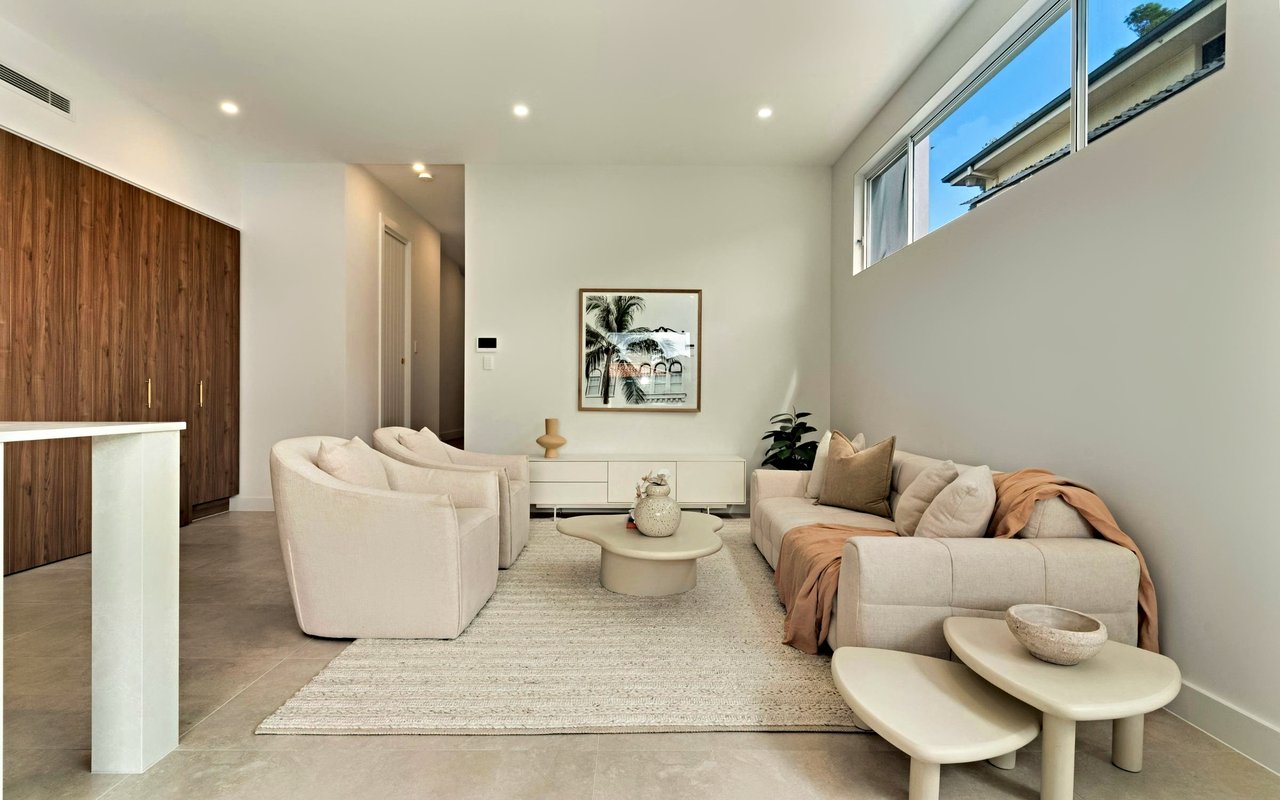
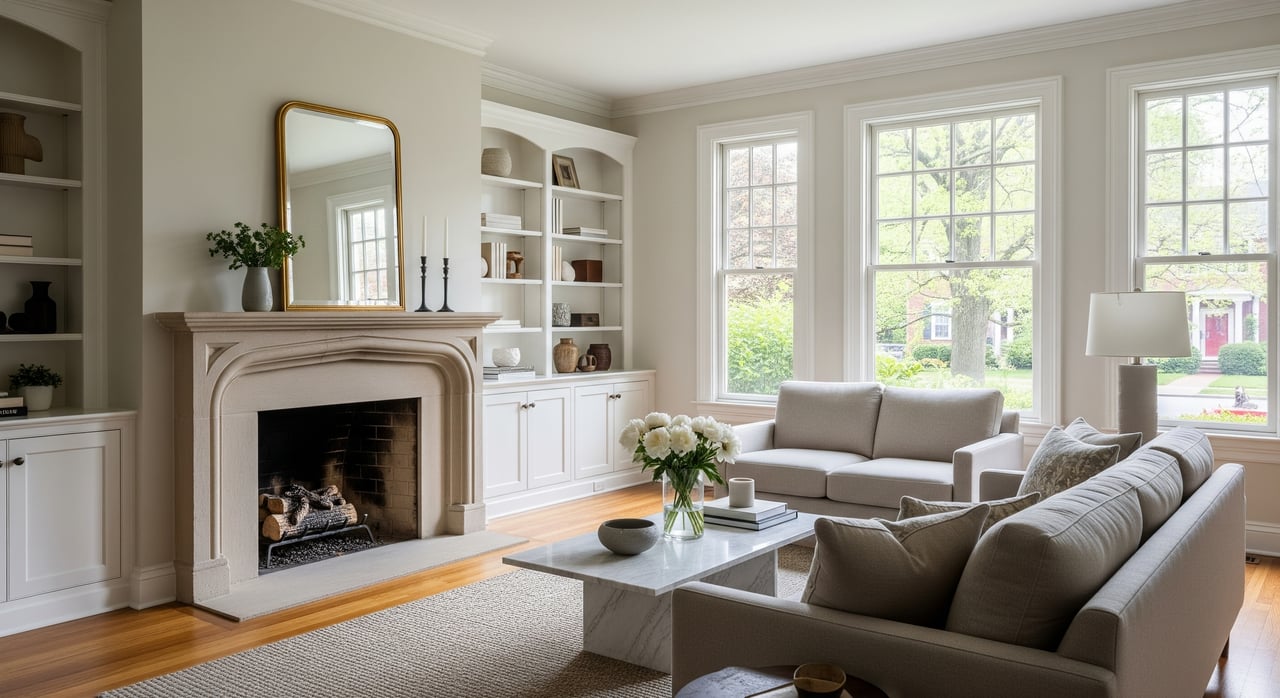
- Keep décor neutral, add a few high-impact accents like an area rug or fresh flowers.
- Maximize natural light by opening blinds and curtains; turn on all interior and exterior lights.
- Remove pet items and address odors.
- For photos and showings, clear counters, hide trash bins, and remove cars from the driveway.
- Use a professional real-estate photographer and include floor plans and measurements. A 3D or virtual tour helps commuter and out-of-town buyers.
- In listing copy, note proximity to train service, downtown Cranford, parks like Lincoln Park, and school district information.
Timing and seasonality in Cranford
Spring and early fall often bring strong buyer activity in Northern New Jersey. With good staging and commuter appeal, homes can sell well year-round. Match your landscaping and photos to the season so curb appeal looks intentional, not rushed.
Prevent common buyer objections
Anticipate questions and provide clear answers to reduce renegotiations.
- Flooding and insurance: share flood zone status, any flood insurance history, and available elevation or mitigation documentation.
- Age of systems and roof: provide service receipts, inspection summaries, and warranty information.
- Unpermitted work: disclose what you know and show steps taken to obtain permits or approvals.
- Sewer and utilities: consider a sewer scope and provide a 12-month utility history.
- Schools and taxes: direct buyers to the Cranford school district and Union County tax resources for the most current information.
A simple pre-list timeline
- Connect with a local listing agent for a comparative market analysis and a tailored prep plan.
- Assemble your Seller Document Packet, including permits, tax data, and warranties.
- Order a pre-listing home inspection and targeted tests such as radon or a sewer scope.
- Complete high-ROI refreshes: declutter, paint, lighting, and landscaping.
- Service HVAC, water heater, and chimney or fireplace; collect receipts.
- Schedule professional photos and, if useful, a 3D tour. Time the shoot for the best seasonal look.
- Confirm required disclosures and code items with your agent or attorney, including lead paint forms and smoke/CO compliance.
- Launch with copy that highlights commute access, downtown proximity, parks, and your completed pre-market inspections.
Ready to list with confidence?
You do not need to tackle this alone. A local, full-service advisor can prioritize your checklist, coordinate vendors, and market your home to the right Cranford buyers. If you want a streamlined plan that protects your time and maximizes your net, let’s talk.
Reach out to Meagan Beriont to get a tailored pre-list strategy, trusted vendor referrals, and a marketing launch built for Union County buyers.
FAQs
What should I fix before listing a Cranford home?
- Focus on safety and function first, then high-ROI cosmetic updates: repair leaks, service HVAC, update lighting, paint neutrals, refresh landscaping, and address visible wear.
Do I need a pre-listing inspection in Cranford?
- It is often helpful on older homes to surface issues early, price accordingly, complete repairs, and reduce buyer renegotiations once under contract.
How do I handle flood zone disclosure in Cranford?
- Check recognized flood resources, disclose what you know, and provide any elevation certificates or insurance records so buyers can assess risk and cost.
Which documents do Cranford and Union County buyers expect?
- Be ready with permits, survey, tax and utility history, warranties, service receipts, any HOA materials, and required disclosures like lead paint for pre-1978 homes.
When is the best time to list in Northern NJ?
- Spring and early fall are often active, but well-prepared listings with strong commuter appeal can attract buyers in any season.
What if past renovations were not permitted?
- Disclose known work, consult your agent and attorney, and pursue permits or inspections as appropriate to prevent delays at appraisal or closing.