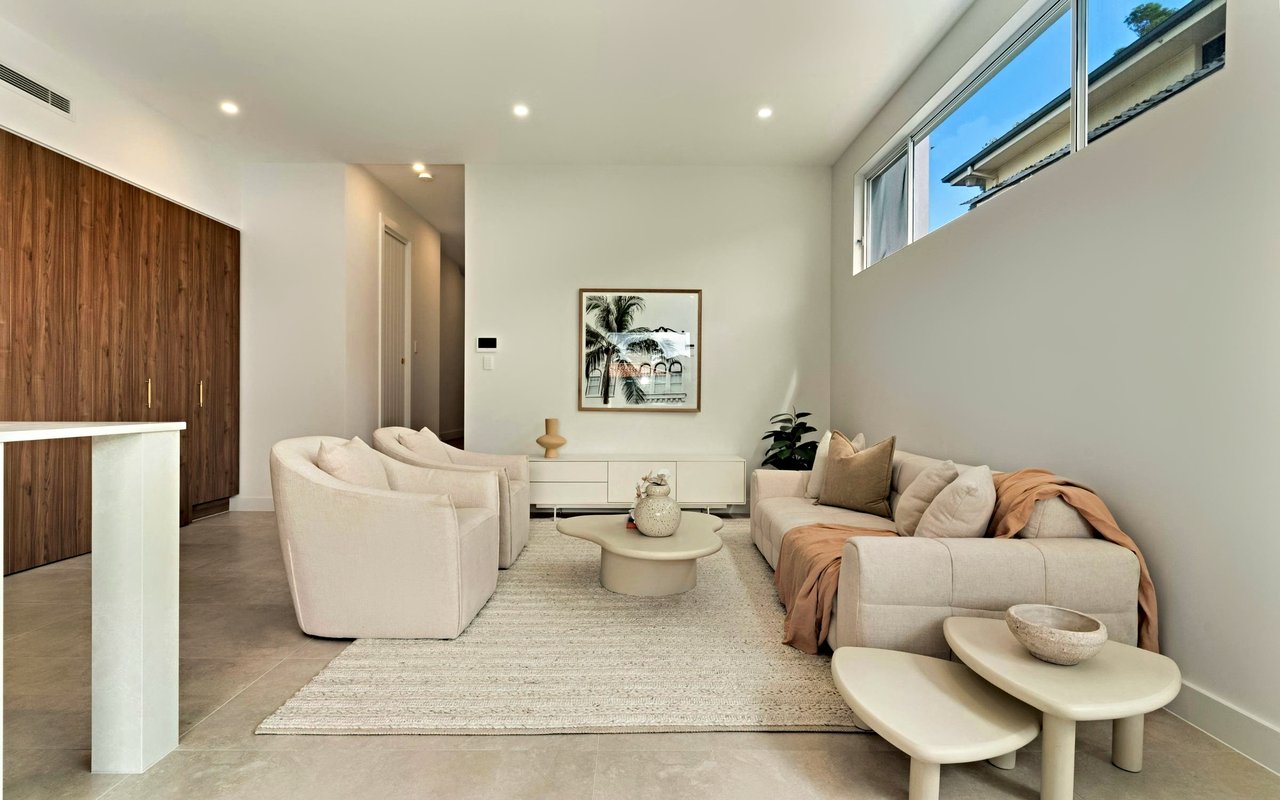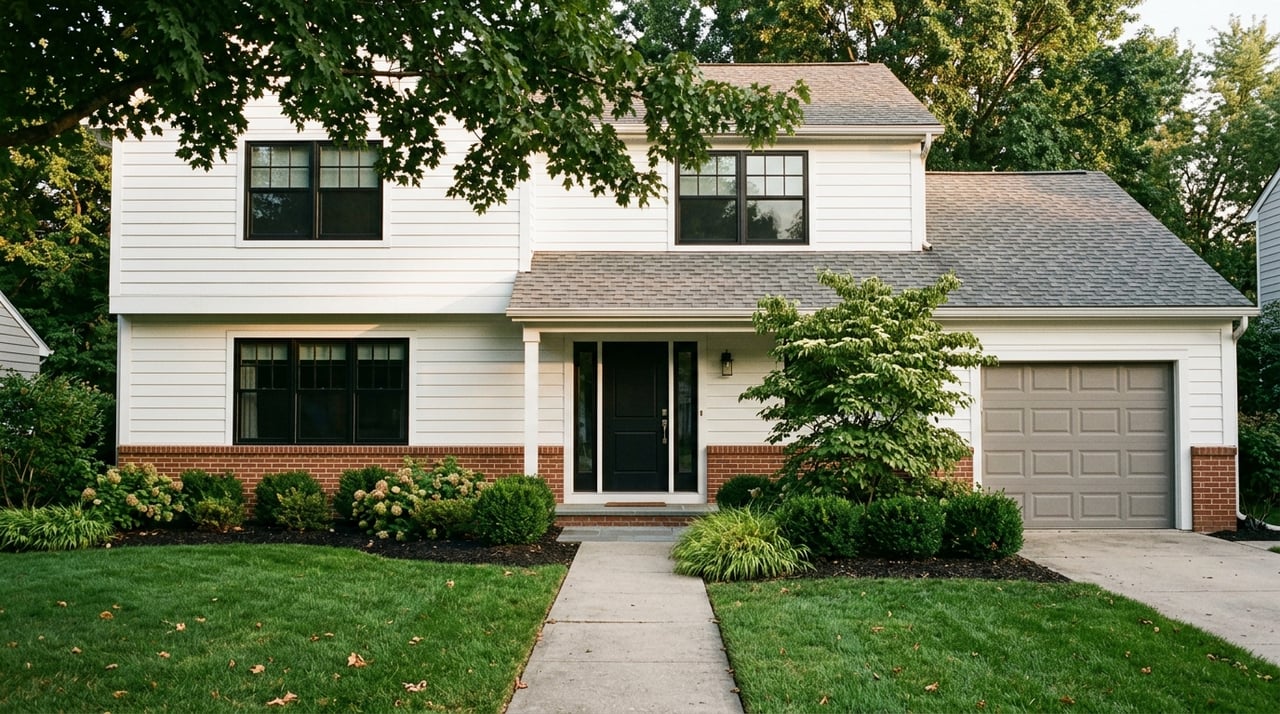
Trying to decide between a brand-new home and an older resale in Scotch Plains? You are not alone. In a town where many homes were built decades ago, but a small number of custom new builds still come to market, the choice can feel less straightforward than it seems. This guide will help you compare inventory, timelines, maintenance, and what each option really looks like in Scotch Plains so you can move forward with more confidence. Let’s dive in.
Why this choice matters in Scotch Plains
Scotch Plains is a largely owner-occupied community with 25,223 residents and 8,751 households, according to Census QuickFacts. The owner-occupied housing rate is 81.1%, and the median owner-occupied home value is $696,900. That data helps frame the market as one where many buyers are choosing long-term homes rather than short-term stops.
Housing stock also plays a big role in this decision. Current local housing data points to a median year built of 1960 and a median lot size of 7,405 square feet. In practical terms, that means Scotch Plains offers a lot of established homes, while true new construction is a much smaller slice of the market.
What new construction looks like
If you picture rows of brand-new subdivision homes, Scotch Plains may surprise you. Current new-construction inventory appears limited, with only five listings showing in a recent snapshot. Several of those were custom-build or land opportunities rather than move-in-ready homes.
That matters because new construction here often means infill, teardown-and-rebuild, or custom home building instead of large neighborhood developments. One current example was a new six-bedroom, 6.5-bath center-hall colonial with more than 6,100 square feet across three finished levels. That gives you a sense of the type of product that may show up: larger, higher-end, and less common.
Why new construction is limited
Local zoning helps explain the smaller supply. Scotch Plains includes detached single-family zones, townhouse provisions, and special residential districts. The code also includes examples like a 7,500-square-foot minimum lot size and 65-foot minimum width for some one-family development, while larger tract density options in the R-1 district require 10 acres or more and Planning Board approval.
In simple terms, Scotch Plains is not set up like a market with broad, easy large-scale subdivision growth. That is one reason new homes here often come in the form of custom builds on individual lots or redevelopment opportunities.
What resale homes offer
Resale homes make up the broader and more varied side of the Scotch Plains market. Recent listings have included ranch homes, split-levels, center-hall colonials, bi-levels, and townhomes. So when you look at resale here, you are not shopping one single type of home.
You may find a house that needs updates, a fully renovated move-in-ready property, or an established townhome community with a different maintenance profile. That variety can be a major advantage if you want more choices in layout, lot size, style, or price point.
More variety in size and setting
Scotch Plains resale homes can range from attached townhomes around 2,000 square feet to detached homes on one-third-acre, one-acre, or larger parcels. The median lot size of 7,405 square feet also suggests that many established homes still offer useful outdoor space. That can appeal to buyers who care as much about the setting as the house itself.
Because so much of the housing stock is older, two resale homes on the same block may offer very different levels of updating. One may have newer kitchens, baths, and systems, while another may still reflect its original construction era. That makes due diligence especially important.
New construction vs resale at a glance
| Factor | New Construction | Resale Home |
|---|---|---|
| Inventory in Scotch Plains | Limited | Much broader |
| Typical home type | Custom or infill build | Ranch, split, colonial, bi-level, townhome |
| Condition | Brand new | Varies widely |
| Maintenance expectations | Often lower at first | Often more variable |
| Timeline to move in | Usually longer | Usually faster |
| Style and lot choices | More limited locally | More variety |
When new construction may be the better fit
New construction can make sense if you want a home with modern finishes, a larger floor plan, and less immediate repair uncertainty. In the current Scotch Plains market, many new homes appear to skew toward larger custom properties, which may appeal to buyers who want newer layouts and more square footage.
You may also like the structure of builder warranty coverage. In New Jersey, owner-occupied new homes must be covered by a warranty before a certificate of occupancy is issued. The New Home Warranty Program provides limited coverage over one, two, and ten years, with different protections applying to workmanship, systems, and major structural defects.
What to keep in mind with new homes
A warranty is helpful, but it is not a substitute for homeowner maintenance or insurance. New Jersey’s Department of Community Affairs makes that clear. So while a new home may reduce early maintenance surprises, it does not eliminate your ongoing responsibilities as an owner.
You should also be ready for a longer process. New construction can involve multiple inspections during the build, including footing trenches, rough plumbing and electrical, and framing before those elements are covered. That adds steps that resale buyers usually do not have to navigate.
When resale may be the better fit
Resale is often the stronger choice if you want more options and a quicker path to occupancy. Because Scotch Plains has a much deeper supply of existing homes, you are more likely to find different styles, locations, lot configurations, and update levels. That can be especially helpful if you have a specific budget or neighborhood preference.
A resale home may also let you prioritize what matters most. You might choose an updated house for convenience, or buy an older home with strong fundamentals and plan improvements over time. In a market with many established properties, that flexibility can open more doors.
What to watch for with resale homes
The median year built of 1960 is a useful signal for planning. Many resale homes may have more variability in roofs, windows, kitchens, bathrooms, heating and cooling systems, and plumbing or electrical components. That does not mean every home will need major work, but it does mean the condition gap between listings can be wide.
This is where a careful review of update history becomes essential. A well-maintained older home can offer a very different ownership experience than a similar-aged home with deferred maintenance. Looking past cosmetic finishes and focusing on systems, structure, and renovation quality can help you compare homes more accurately.
Which option is faster?
In most cases, resale is the faster route. Once your offer is accepted and your financing is in place, the closing process moves through inspection, appraisal, loan steps, and final closing. Lenders must provide the Closing Disclosure at least three business days before closing.
New construction usually takes longer because it adds a build phase plus inspection checkpoints, warranty requirements, and certificate-of-occupancy steps. If your timeline is tight, that difference may carry a lot of weight. If you have more flexibility, the extra time may feel worth it.
Questions to ask yourself first
Before you choose between new construction and resale in Scotch Plains, it helps to get clear on your priorities.
Ask yourself:
- Do you want the broadest possible selection, or are you willing to wait for something specific?
- Is move-in speed important?
- Would you rather pay for updates over time or buy newer up front?
- How much maintenance variability are you comfortable with?
- Are you looking for a custom-home feel, or a wider range of established-home options?
Your answers can often point you toward the right category before you even start touring homes.
A local strategy matters
In Scotch Plains, this is not just a generic “new vs old” debate. It is a market where resale dominates, new construction is limited, and the few new homes that do appear may look very different from one another. That is why it helps to compare options through a local lens instead of relying on broad national advice.
If you are weighing custom opportunities, land listings, renovated resale homes, or established neighborhoods with different housing styles, local guidance can save you time and help you avoid false comparisons. The right choice usually comes down to your timeline, budget, renovation tolerance, and what type of living experience you want day to day.
Whether you are buying your first home, making a move-up purchase, or relocating within Union County, a side-by-side strategy can make the decision much clearer. If you want help comparing what is currently available in Scotch Plains and identifying which path fits your goals, connect with Meagan Beriont.
FAQs
Is new construction rare in Scotch Plains?
- Yes. A recent market snapshot showed only five new-construction listings, and several were custom-build or land opportunities rather than completed tract homes.
Are resale homes in Scotch Plains always older and outdated?
- No. Resale homes in Scotch Plains include older original homes, renovated move-in-ready properties, and established townhomes, so condition and style can vary widely.
Do new construction homes in Scotch Plains tend to be larger?
- Often, yes. Current examples of new construction in Scotch Plains include larger custom homes, while resale options span a wider range from townhomes to detached homes of many sizes.
Is a resale home usually faster to buy in Scotch Plains?
- Generally, yes. Resale usually moves faster because it skips the construction phase and the added inspection and certificate-of-occupancy steps tied to new construction.
Does a new home in New Jersey come with a warranty?
- Yes. New Jersey requires owner-occupied new homes to be covered by a limited warranty, with one-, two-, and ten-year coverage periods for different types of issues.
Should you expect more maintenance with a resale home in Scotch Plains?
- Usually, yes, but it depends on the home’s age, update history, and current condition. With a median year built of 1960, many homes will have more variation in systems and finishes than new construction.