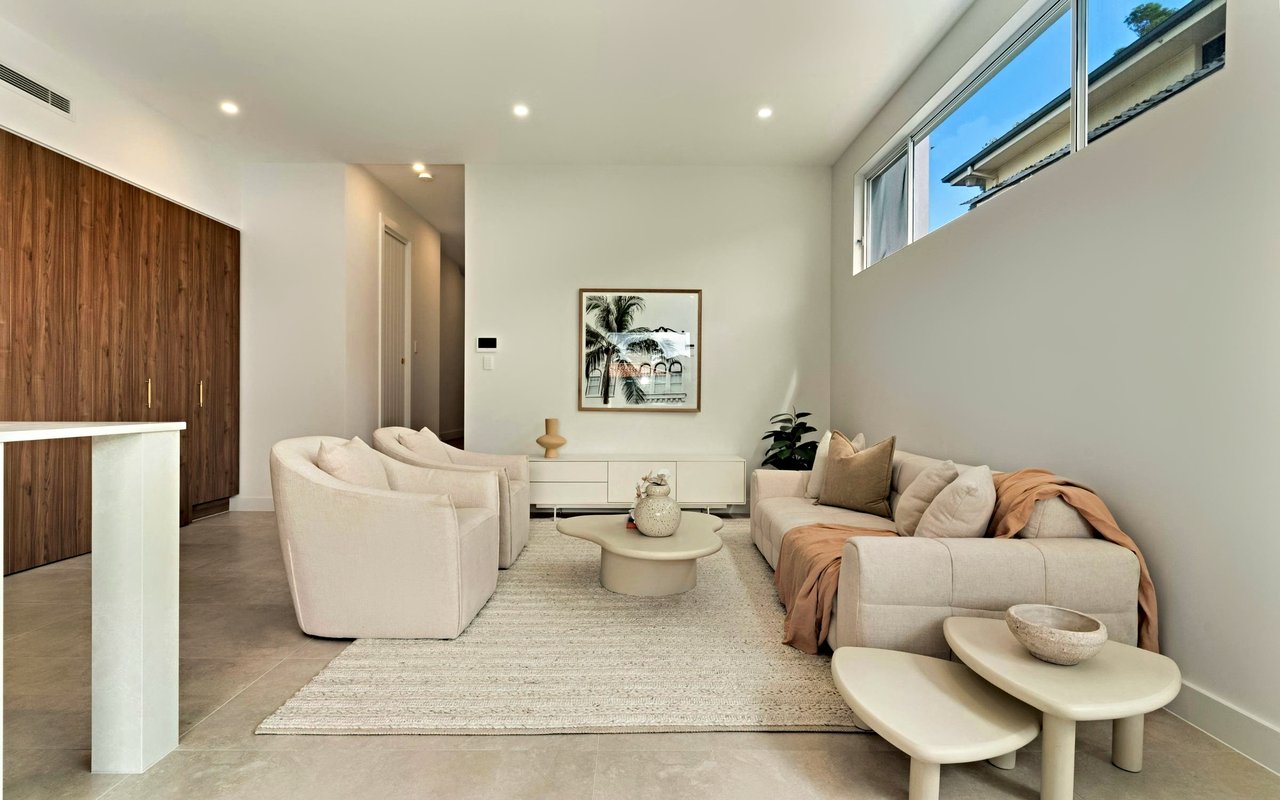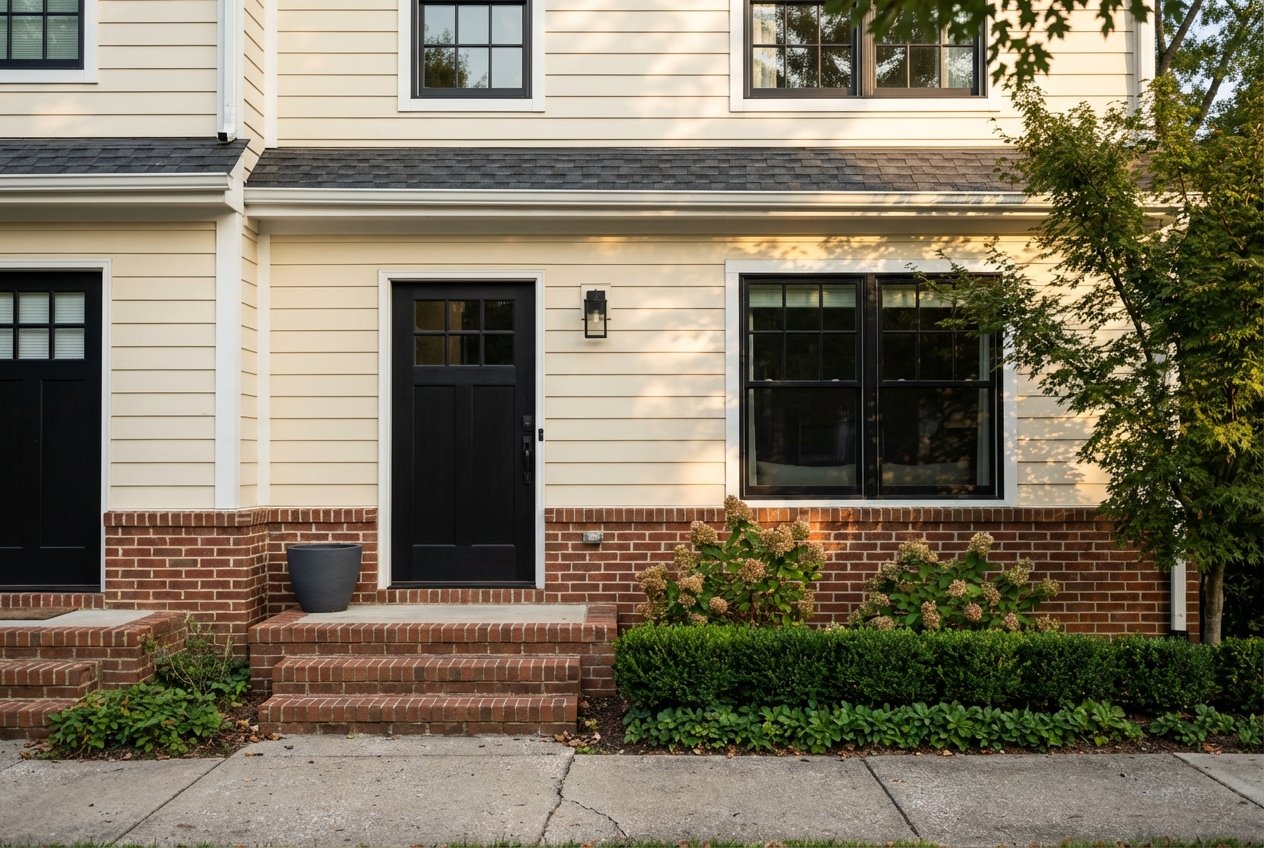
Thinking about buying in Cranford but not sure if a single-family home or a townhome fits best? You are not alone. Both options are popular here, and each comes with different costs, upkeep, and lifestyle tradeoffs. In this guide, you will learn how prices, taxes, HOA dues, insurance, and local factors like flood risk and transit shape the decision so you can buy with confidence. Let’s dive in.
Cranford market snapshot
Cranford’s housing demand stays strong thanks to its walkable downtown, parks along the Rahway River, and commuter access. Market trackers put a typical Cranford home value in the mid six figures, with Zillow’s index around $744,000 through late winter 2026. Multiple sources show single-family medians often in the mid $700Ks to mid $800Ks, while townhome and condo medians are commonly lower, often in the low to mid $300Ks. Exact figures vary by data source and time window, so use a current 12-month MLS snapshot when you are ready to buy.
Inventory for detached homes has been tight in recent years, which can push pricing power toward sellers. Attached homes can move quickly when priced well. If you are flexible on timing, your agent can watch both segments and alert you when the right listing hits.
Property taxes are a major driver of monthly cost in Cranford. Local tax-bill estimates often land around $11,000 to $12,000 per year, with single-family examples commonly ranging from $10,000 to $17,000 depending on assessment. You can review local trends in Union County tax data to understand how taxes shape affordability.
What really changes your monthly payment
Your monthly payment is more than principal and interest. In Cranford, four items move the needle most: property taxes, HOA dues, insurance, and maintenance.
| Cost item | Townhome (typical in Cranford) | Single-family (typical in Cranford) |
|---|---|---|
| Purchase price | Often lower; many attached units list in the low to mid $300Ks | Medians often in the mid $700Ks to mid $800Ks |
| Property taxes | Examples often around $5,000 to $6,000 per year | Commonly about $10,000 to $17,000 per year |
| HOA dues | Many communities around $300 to $420 per month (varies by what is included) | None |
| Insurance | Usually a condo/townhome policy (HO-6) for interior; master policy may cover exterior, so confirm details | A full homeowner’s policy (HO-3) for the entire structure |
| Maintenance | HOA typically handles exterior and common areas; owners still pay for interior items and may face special assessments | You cover all upkeep. A common rule of thumb is budgeting about 1% of home value per year, adjusted for age and condition |
For maintenance planning, many buyers start with a conservative reserve. Learn how to think about total ownership costs with this quick overview of the real cost of owning a home. For insurance, the policy type and coverage depend on ownership structure. This guide to home and condo insurance basics is a helpful primer.
Lifestyle differences in Cranford
Outdoor space and privacy
If you want a private yard for gardening, pets, or play, a detached home usually offers more land and flexibility. Townhomes often have smaller patios or limited private outdoor space, which can be perfect if you prefer low maintenance.
Maintenance and control
Townhomes shift many exterior tasks, like snow removal and landscaping, to the HOA. That saves you time, but it also means following community rules and paying monthly dues. With a single-family home, you control improvements and timing, but you also take on larger, less predictable costs such as roof, siding, and driveway work.
Parking and storage
Detached homes typically include a driveway and garage, which helps with storage and guest parking. Townhomes often rely on assigned spaces or shared lots, so be sure to check guest parking policies during showings.
Commute and downtown access
Living near the station can be a game changer for NYC-bound commuters. Cranford Station on NJ Transit’s Raritan Valley Line recently completed a rehabilitation, making train access even more attractive. If a quick commute is top priority, aim for homes within an easy walk to the station and downtown. You can read about the station rehabilitation for context.
Flood risk and insurance facts
Cranford is bisected by the Rahway River, and the township runs a proactive floodplain management program. Participation in FEMA’s Community Rating System can reduce certain NFIP premiums, but it does not remove flood risk. Always pull the FEMA flood map (FIRM) for the exact address, ask for any elevation certificates, and get an insurance quote early. Start with Cranford’s official page on floodplain management and CRS to understand the program.
Flood exposure can vary street by street. Low-lying single-family lots near the river may have different considerations than townhome communities built on higher ground. If a listing is near water, review seller disclosures carefully and consider these tips on selling near the river and expected disclosures to know what to ask as a buyer.
Schools and buyer priorities
Cranford Public Schools serve grades PK–12 and are an important factor for many buyers. For neutral, factual information, consult the district’s profile on the National Center for Education Statistics. If having a yard and proximity to your preferred elementary school matters most to you, a detached home may align better with your goals. If your top priorities are budget, transit, and low maintenance, a townhome may make more sense.
Which option fits you best
- A townhome may fit you if: you want a lower entry price, prefer low exterior upkeep, value proximity to transit and downtown, or you plan to keep monthly maintenance predictable with HOA-covered items.
- A single-family home may fit you if: you want more privacy and yard space, need parking and storage, want freedom to renovate and expand, and are comfortable budgeting for all exterior maintenance.
Smart steps before you choose
Use this checklist to compare real homes, side by side, before you write an offer.
- Pull a current 12-month MLS snapshot. Compare median sold prices and active inventory for both single-family and townhome segments in your target Cranford neighborhoods.
- Review the HOA package. For any townhome, request CC&Rs, bylaws, rules, budget, reserve study, recent meeting minutes, insurance summary, special assessments, pending litigation, and the estoppel or resale certificate. Confirm exactly what dues cover.
- Verify property tax history. Look up recent tax bills for the exact parcel and ask about reassessments. Property taxes vary widely and can be a major monthly factor. Explore local datasets, such as ATTOM’s Cranford property view, to understand typical lot sizes and assessments.
- Check flood maps and insurance. Pull the FEMA FIRM or FIRMette for the address, ask about elevation certificates, and get flood quotes if required or recommended. Start with Cranford’s floodplain management overview.
- Plan a maintenance reserve. Older homes may need more. A common starting point is about 1% of home value per year. Read more about total ownership costs.
- Confirm insurance and lender requirements. If the townhome is a condo structure, verify the master policy, your HO-6 needs, and any lender warrantability rules. For detached homes, review what a standard HO-3 covers with your insurer. This insurance comparison overview can help you prepare questions.
- Walk the area at different times. For attached homes, listen for shared-wall noise and check guest parking. For single-family homes, review drainage, fencing, and driveway access. If near the river, use this primer on river-adjacent disclosures to guide your questions.
Make your move with local guidance
Both options can be excellent in Cranford. The right choice comes down to how you want to live and what you want to spend each month. If you want help weighing real listings side by side, parsing HOA budgets, or running a tax and insurance comparison for your short list, reach out to Meagan Beriont. You will get hyperlocal insight, responsive guidance, and a clear next step.
FAQs
What is the price gap between Cranford single-family homes and townhomes?
- Market trackers often show single-family medians in the mid $700Ks to mid $800Ks, while attached units commonly land in the low to mid $300Ks, though exact figures vary by source and timing.
How do Cranford property taxes affect monthly cost for buyers?
- Local estimates often run around $11,000 to $12,000 per year, with many single-family homes between $10,000 and $17,000, so taxes can significantly change your total monthly payment compared to a lower-tax townhome.
What do Cranford townhome HOA dues usually cover?
- Many communities include exterior maintenance, landscaping, snow removal, and common areas, but coverage varies by HOA, so always review the insurance summary, budget, and estoppel for specifics.
How does Rahway River flood risk impact buying a home in Cranford?
- Flood exposure varies by street; verify the FEMA flood zone, ask for elevation certificates, and get quotes since Cranford participates in FEMA’s CRS program yet properties may still require or benefit from flood insurance.
Is living near Cranford Station worth paying more for either home type?
- Proximity to the rehabilitated NJ Transit station can boost convenience and demand, which may support higher prices or faster sales, so weigh commute savings and lifestyle benefits against the premium.
What insurance is typical for a Cranford townhome versus a house?
- Townhomes often need an HO-6 policy for interior items while the HOA’s master policy may cover exterior, and detached homes generally use an HO-3 policy that insures the entire structure and property.