Thinking about pricing your Westfield home and wondering if you should trust a CMA or your Zestimate? You are not alone. With so much information online, it is easy to feel stuck between a quick estimate and a deeper analysis. This guide breaks down how each tool works in Westfield, when to rely on them, and a simple plan to price with confidence. Let’s dive in.
CMA basics
A Comparative Market Analysis, or CMA, is an informal valuation prepared by a licensed real estate agent. It compares your home to recent nearby sales, active listings, and pending deals. A strong CMA also factors in condition, upgrades, lot size, and current buyer demand.
How agents build a CMA
- Identify recent closed sales that are truly comparable in size, style, and location.
- Adjust for differences, like bedroom count, finished basements, kitchen and bath renovations, and lot characteristics.
- Layer in market context, including days on market, inventory levels, and list-to-sale patterns.
- Recommend a pricing strategy based on the competitive set and your goals.
When a CMA helps most
- You plan to list soon and need a competitive price that attracts buyers.
- Your home has features AVMs miss, such as high-end renovations or an unusual lot.
- You want a strategy that matches current Westfield conditions, like multiple-offer patterns or seasonal timing.
Zestimate basics
Zillow’s Zestimate is an automated valuation model. It uses public records, previous sales, listing data, and user-provided facts to estimate value across millions of homes. It is fast, public, and free, which makes it a helpful starting point.
How Zestimates are calculated
- Algorithms analyze large datasets and patterns across similar properties.
- Data sources can include tax records, prior sales, and listing feeds.
- The output includes a point estimate and often a value range with a confidence indicator.
Where Zestimates shine and fall short
- Shine in homogeneous areas with many similar homes and frequent sales.
- Struggle when public records are outdated or incomplete.
- Often miss unique features, renovation quality, or micro-neighborhood nuance.
Why values differ in Westfield
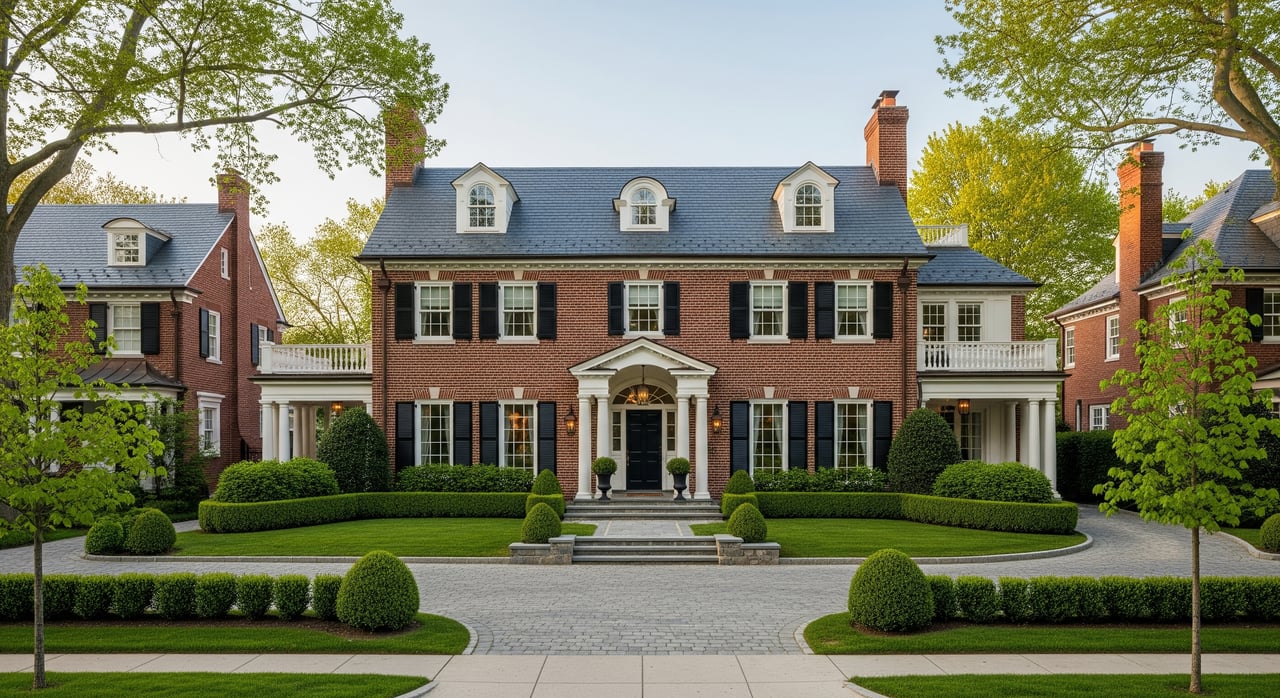
Westfield has a varied housing stock, from classic colonials and center-hall homes to townhomes and occasionally historic properties. That variety can create gaps between an automated estimate and local market reality.
Data freshness and detail
- CMAs use the latest MLS entries, plus agent insight on new listings, showings, and pending deals.
- Zestimates depend on public records and past data that may lag behind the market.
Unique homes and renovations
- Agent-prepared CMAs can account for custom updates, interior quality, and permitted improvements.
- AVMs often miss these details or weigh them incorrectly.
Micro-neighborhood nuance
- Proximity to downtown, the train, parks, and local amenities can shift buyer demand street by street.
- An experienced agent understands how these factors influence price per square foot and days on market.
Picking comps in Westfield
When you evaluate comps, keep your lens tight and consistent. Ask your agent to show you:
- Same or very similar neighborhood and school attendance area, when possible.
- Similar lot size and gross living area.
- Comparable age, bedroom and bathroom count, and key finished spaces like basements or walk-up attics.
- Recent upgrades and condition differences, with clear adjustments that make sense.
- Closed sales within the last 3 to 6 months; include pending sales as signals of current demand.
Use both tools wisely
You do not have to choose one tool forever. Use them together in a simple, step-by-step way.
A smart workflow
- Start with the Zestimate to get a quick baseline and value range.
- Request a detailed CMA from a local agent that shows comps, adjustments, and a recommended pricing band.
- If the CMA and Zestimate diverge, ask to review the specific comps and the data driving the difference. Confirm facts in county records and permit history.
- If you need lender-level certainty or have a unique property, consider a professional appraisal before listing.
Seller steps to price right
You want to price confidently and avoid leaving money on the table. Use this process:
- Get multiple CMAs. Request 2 to 3 CMAs from experienced Westfield agents and compare the comps, adjustments, and strategies.
- Review recent sales. Focus on closed sales in the last 3 to 6 months, plus pending deals. Ask to see photos that show condition.
- Treat the Zestimate as a reference. Check its range and confidence, then reconcile it against your CMAs and the best comps.
- Consider a pre-list inspection. Understanding needed repairs helps you set a price and reduce renegotiations later.
- For unique properties, order an appraisal. It can support pricing and reduce valuation surprises during underwriting.
Buyer steps to evaluate value
As a buyer, you need to balance speed with accuracy. Try this approach:
- Do not rely on the Zestimate alone. Ask your agent for comps that support the list price or your offer price.
- Adjust for condition and features. A recent kitchen or bath can justify a higher price compared to similar but dated homes.
- Ask about market tempo. Learn whether homes are seeing multiple offers and how list-to-sale ratios are trending.
Market signals to watch
Westfield’s dynamics can change with inventory and seasonality. Watch the indicators that matter most:
- Months of supply and active inventory, which show how competitive the market feels.
- Days on market trends to understand buyer pace.
- List-to-sale price patterns that reveal how often homes are selling over or under ask.
- Recent pending sales and background activity as near-real-time demand clues.
- Interest rates, which impact affordability and price elasticity.
CMA vs. Zestimate: quick compare
- Purpose: A CMA is built to guide your list price or offer strategy. A Zestimate is built to provide fast, broad coverage.
- Data: A CMA leans on MLS data, local records, and agent judgment. A Zestimate leans on public records, past sales, and listing feeds.
- Strength: A CMA is tailored and context-rich. A Zestimate is instant and useful for ballpark checks.
- Weakness: A CMA can vary by agent. A Zestimate can miss unique features or recent changes.
Final take for Westfield
In Westfield, a well-crafted CMA is usually the most reliable tool for pricing your specific home, especially if you have meaningful updates or unique features. The Zestimate is still helpful as a quick baseline, particularly in neighborhoods with many similar homes and steady sales activity. Use both, reconcile differences with recent comps and permits, and choose a pricing strategy that fits your timeline and goals.
Ready to discuss the right pricing plan for your home or your next offer? Reach out to Meagan Beriont for a detailed CMA and a clear strategy tailored to Westfield’s market.
FAQs
Which is more accurate for Westfield pricing?
- A well-prepared CMA is generally more accurate for a specific Westfield property, while a Zestimate is a fast starting point.
Can a Zestimate be far off in Westfield?
- Yes, especially for homes with recent renovations, custom features, or unique lots that are not fully captured in public records.
Should I try to change my Westfield home’s Zestimate?
- You can update property facts and photos online, but rely on a CMA and, if needed, an appraisal when you plan to list.
What if my CMA is lower than the Zestimate?
- Ask to review the agent’s comps and adjustments, check the Zestimate’s range and assumptions, and consider a second opinion or appraisal.
How do I choose the right comps in Westfield?
- Focus on the same neighborhood and school area when possible, similar size and features, and closed sales within the last 3 to 6 months.